Building a smart home setup in 2025 has become easier, more affordable, and more powerful than ever before. Whether you’re new to home automation or looking to upgrade your current setup, modern smart devices offer improved security, convenience, and energy savings. This step-by-step guide will help you build a fully functional smart home system that fits your needs and budget.
Step 1: Choose a Smart Home Ecosystem
The first step in building a smart home is selecting an ecosystem. Popular choices include Amazon Alexa, Google Home, and Samsung SmartThings. Each ecosystem connects your devices into one automated system.
Amazon Alexa
- Works with thousands of smart devices
- Easy voice commands
- Affordable smart speakers
Google Home
- Smarter AI-based responses
- Great for Android users
- Strong automation routines
SmartThings
- Best for advanced smart homes
- Supports multiple device brands
- Powerful automation options
- Internal Link: Compare devices with our list of Top Smart Home Devices You Need in 2025.
Step 2: Choose the Best Smart Hub or Smart Speaker in 2025
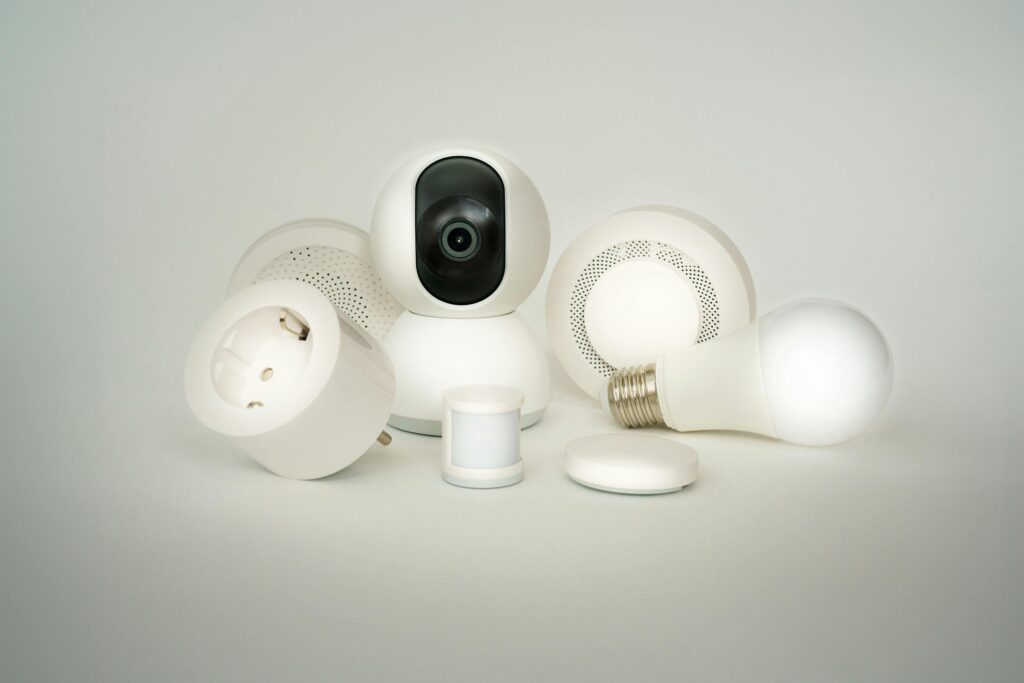
A smart hub acts as the “brain” of your smart home. It connects devices like lights, cameras, and sensors.
Popular options in 2025 include:
- Amazon Echo 5th Gen
- Google Nest Hub Max
- Samsung SmartThings Hub
These hubs allow you to:
✔ Control devices with voice commands
✔ Create automation routines (e.g., lights turning on automatically)
✔ Monitor home security from your phone
Step 3: Add Smart Lighting for Convenience
Smart lighting is usually the first upgrade people choose. Devices like Philips Hue Smart LED Bulbs let you control brightness, color, and schedules through your phone.
Benefits of smart lights:
- Energy savings
- Personalized lighting moods
- Automation (lights turn off when you leave home)
- Internal Link: Explore lighting-compatible phones from our Best Budget Smartphones of 2025.
Step 4: Install Smart Security Devices
Security is a major priority in 2025, and smart devices make home protection easier and more effective.
Top security devices include:
- Ring Video Doorbell Pro 3 for real-time monitoring
- Eufy Indoor 4K Cam for ultra-clear video
- Smart locks, which allow digital access control
Modern smart cameras offer night vision, AI motion detection, and cloud or local storage.
Step 5: Upgrade With Smart Plugs and Switches
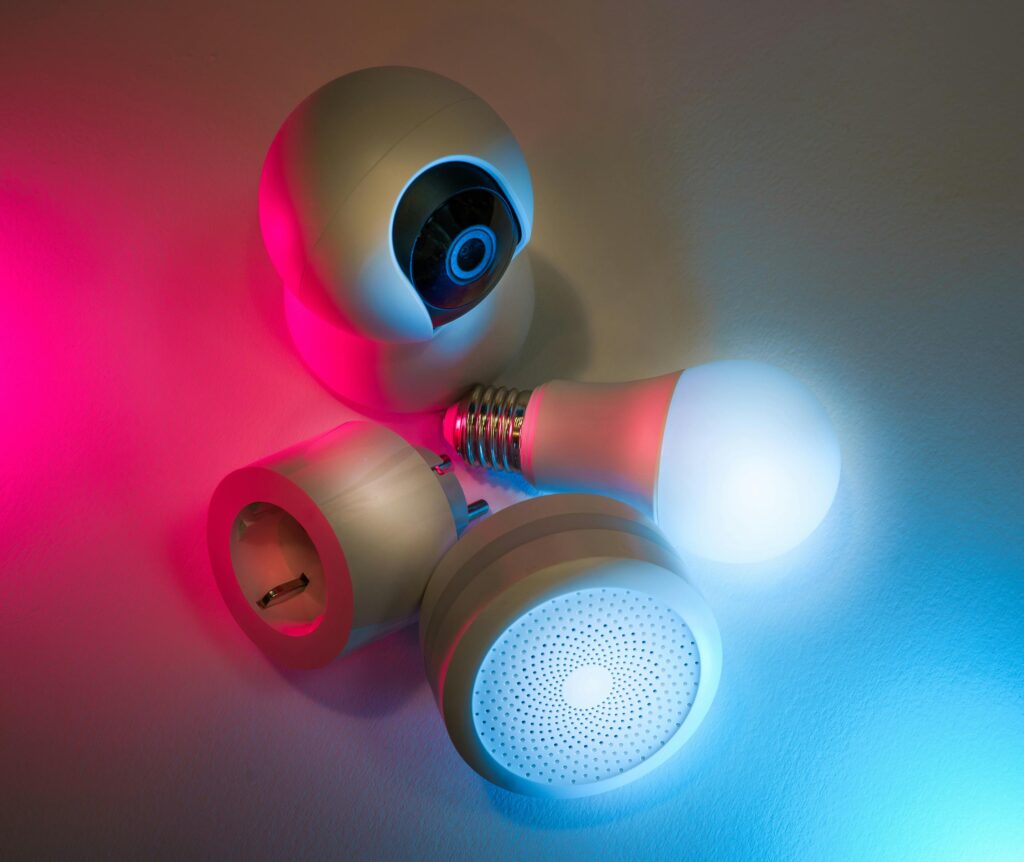
Smart plugs turn ordinary devices (like fans or lamps) into smart devices. Smart switches can automate entire rooms.
Benefits include:
✔ Remote control from your smartphone
✔ Timers and schedules
✔ Energy-saving features
Devices like TP-Link Kasa Smart Plug are affordable and easy to install.
Step 6: Add Smart Appliances (Optional but Useful)
Smart appliances make daily tasks easier and more efficient:
- Smart refrigerators
- Voice-controlled ovens
- AI-powered washing machines
- Smart thermostats like Google Nest Learning Thermostat
These devices optimize energy usage and offer remote access.
- Internal Link: Learn how AI enhances smart homes in our Top AI Tools 2025.
Step 7: Create Smart Home Automation Routines
Automation is what makes a home truly “smart.” Below are some examples:
Morning Routine Example
- Lights turn on gradually
- Coffee machine starts via smart plug
- Thermostat warms the room
- Your AI assistant gives weather & news updates
Night Routine Example
- All lights turn off
- Doors auto-lock
- Security cameras activate
- Bedroom lights dim automatically
Routines reduce manual effort and improve comfort.
Step 8: Use Your Smartphone for Full Control
Your smartphone becomes the remote for your entire smart home. With apps from Amazon, Google, SmartThings, and device manufacturers, you can monitor and control your home from anywhere.
- Homepage Link: Explore more tech guides on our homepage.
Conclusion
Creating a smart home in 2025 is easier than ever thanks to advanced, affordable, and user-friendly devices. By choosing the right ecosystem, setting up essential gadgets, and automating your routines, you can enjoy a safer, more comfortable, and more efficient lifestyle. Whether you start small or build a complete connected home, smart devices will continue to evolve and enhance everyday living.