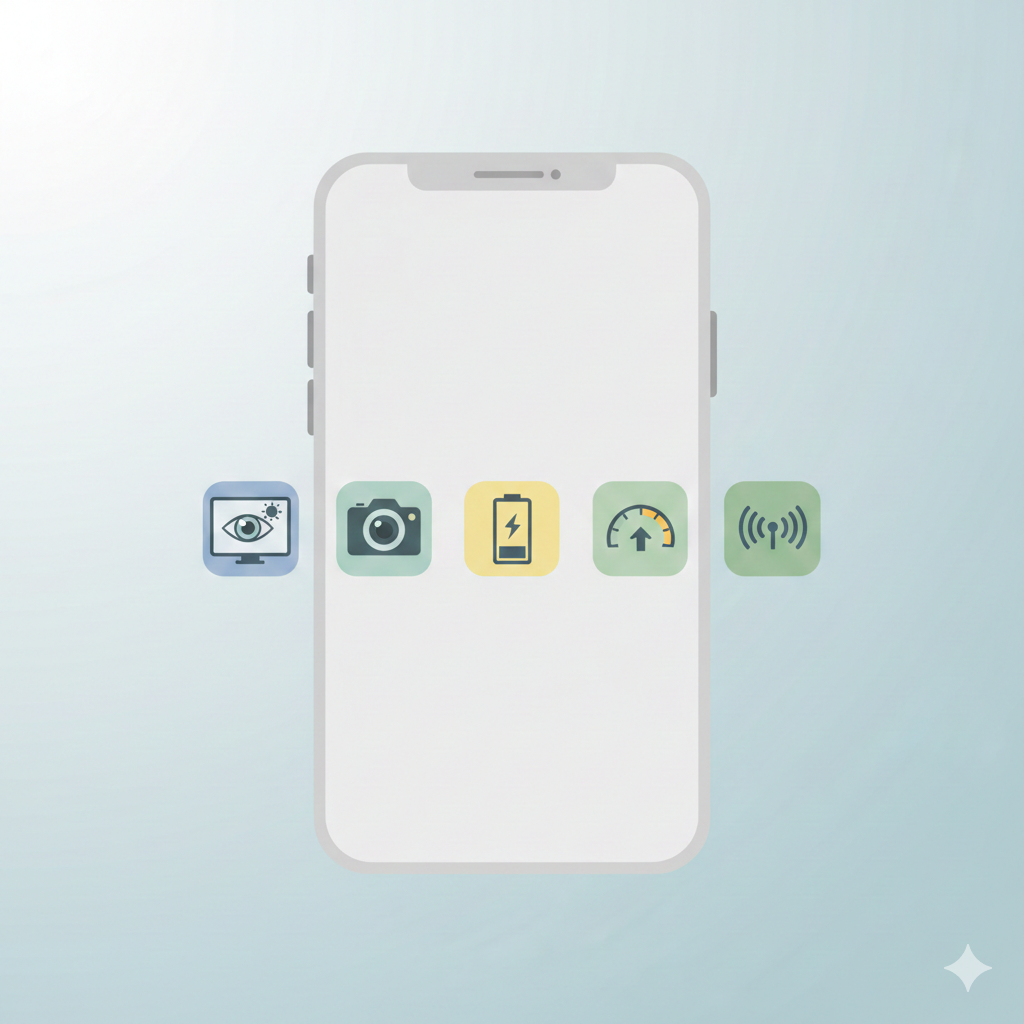
Smartphones have become an essential part of everyday life, changing the way people communicate, work, learn, and entertain themselves. From simple calling devices, mobile phones have evolved into powerful pocket-sized computers. Understanding smartphone features helps users choose the right device and make better use of modern technology.
A smartphone is a mobile device that combines computing capabilities with traditional phone functions, as explained by Encyclopaedia Britannica.
Today’s smartphones are designed to handle multiple tasks efficiently, combining hardware and software innovations into a single device. This article explains the most important features found in modern smartphones, written in simple and human-friendly language for beginners and general users.
What Is a Smartphone?
A smartphone is a mobile device that offers advanced computing capabilities along with traditional phone functions. Unlike basic phones, smartphones support internet access, applications, multimedia, and smart connectivity features.
Modern smartphones are built to act as personal assistants, entertainment hubs, navigation tools, and productivity devices—all in one compact form.
Core Smartphone Features That Define Modern Devices
Touchscreen Display Technology
The touchscreen is one of the most noticeable and important smartphone features. It allows users to interact with the device using taps, swipes, and gestures.
Most smartphones today use:
- LCD or OLED displays
- High-resolution screens (HD, Full HD, or higher)
- Smooth refresh rates for better visuals
A good display improves readability, gaming, video streaming, and overall user experience.
Powerful Processor and Performance
The processor acts as the brain of a smartphone. It controls how fast apps open, how smoothly games run, and how efficiently tasks are handled.
Key performance factors include:
- Multi-core processors
- Optimized chipsets for multitasking
- Energy-efficient performance
A strong processor ensures smooth usage without lag, even when running multiple apps.
Memory and Storage Options
Smartphones come with built-in memory (RAM) and storage space for apps, photos, videos, and files.
- RAM helps apps run smoothly
- Internal storage holds data and media
- Some devices support expandable storage
Adequate memory and storage are essential for long-term usability.
Camera Features in Smartphones
Rear and Front Cameras
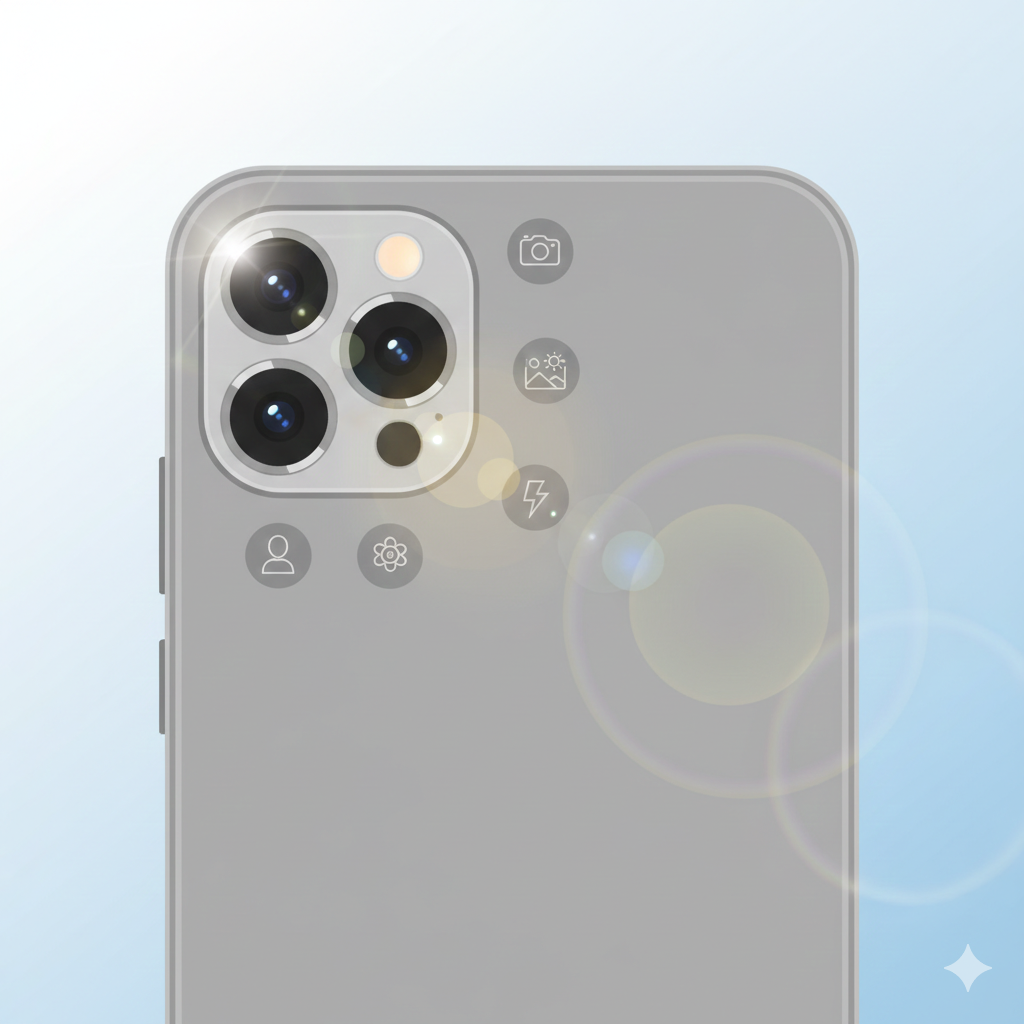
Cameras are among the most important smartphone features for users today. Smartphones now offer advanced camera systems capable of capturing high-quality photos and videos.
Common camera capabilities include:
- Multiple lenses (wide, ultra-wide, macro)
- High-resolution sensors
- Portrait and night modes
- Video recording in HD or higher
Front cameras are equally important for video calls, selfies, and online meetings.
AI and Software-Based Camera Enhancements
Modern smartphones use artificial intelligence to improve image quality automatically. These systems adjust lighting, focus, and colors based on the scene.
This makes smartphone photography easier even for non-professional users.
Battery Life and Charging Technology
Battery Capacity and Optimization
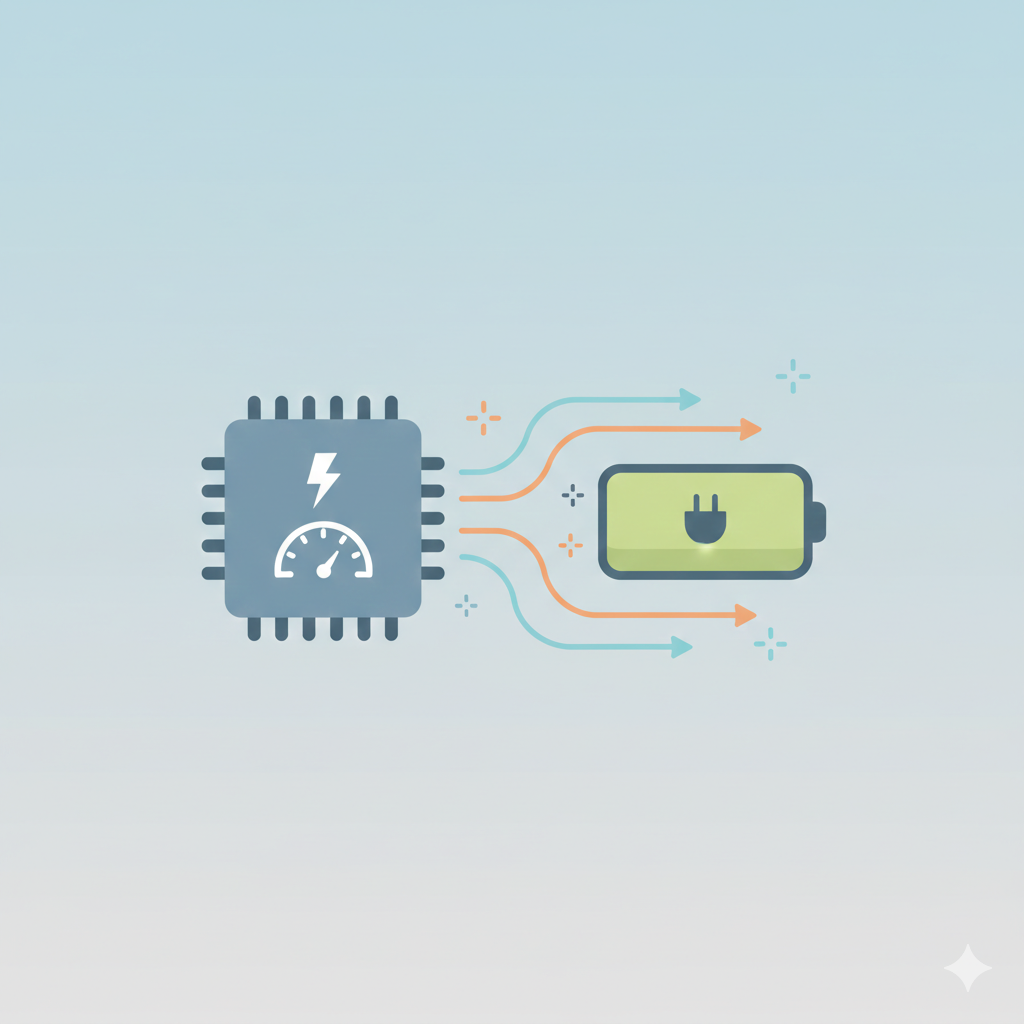
Battery life is a critical factor when choosing a smartphone. A good battery ensures the device lasts through daily usage without frequent charging.
Smartphones focus on:
- Larger battery capacity
- Power-efficient processors
- Software optimization
Fast and Wireless Charging
Charging technology has improved significantly. Many smartphones now support fast charging and wireless charging, allowing users to power up quickly and conveniently.
Connectivity and Network Features
Internet and Network Support
Connectivity is at the heart of smartphone functionality. Smartphones support:
- Mobile data (3G, 4G, and 5G)
- Wi-Fi connectivity
- Bluetooth for wireless accessories
Faster networks enable smoother streaming, browsing, and communication.
GPS and Location Services
GPS allows smartphones to provide navigation, location tracking, and map services. This feature is essential for travel, delivery apps, and ride-sharing services.
Security and Privacy Features
Biometric Security
Security is a major concern for smartphone users. Modern smartphones offer biometric protection such as:
- Fingerprint sensors
- Facial recognition
- Secure lock systems
These features protect personal data and prevent unauthorized access.
Software Updates and Data Protection
Regular software updates help improve security and performance. Smartphones also include encryption and app permissions to protect user privacy.
Operating System and Software Experience
Mobile Operating Systems
The operating system controls how a smartphone functions. Popular mobile operating systems provide:
- App support
- User-friendly interfaces
- Regular updates
- Customization options
The software experience plays a major role in how enjoyable a smartphone is to use.
App Ecosystem and Smart Features
Smartphones support millions of applications for productivity, entertainment, education, and communication. App availability significantly enhances device usefulness.
Design and Build Quality
Physical Design and Materials
Modern smartphones are designed to be slim, stylish, and comfortable to hold. Manufacturers use materials such as glass, aluminum, or durable plastics.
Good design improves durability and user comfort.
Durability and Protection
Some smartphones include water resistance, scratch-resistant glass, and reinforced frames to handle daily wear and tear.
Multimedia and Entertainment Features
Audio and Video Capabilities
Smartphones support high-quality audio and video playback. Many devices include:
- Stereo speakers
- Noise reduction technology
- High-quality microphones
These features improve media consumption and communication.
Gaming and Performance Enhancements
Gaming-focused smartphones offer advanced graphics support, cooling systems, and performance modes to handle demanding games smoothly.
Smart Sensors and Additional Features
Modern smartphones include various sensors that enhance functionality, such as:
- Accelerometer
- Gyroscope
- Proximity sensor
- Ambient light sensor
These sensors improve screen rotation, motion detection, and overall usability.
Why Smartphone Features Matter
Understanding smartphone features helps users:
- Choose the right device
- Avoid unnecessary spending
- Match features with personal needs
- Get better value for money
Different users prioritize different features, such as camera quality, battery life, or performance.
The Future of Smartphones
Smartphones continue to evolve with new technologies such as foldable screens, advanced AI integration, and improved connectivity. Future devices will focus on better efficiency, sustainability, and smarter user experiences.
As technology advances, smartphones will become even more powerful and versatile.
Conclusion
Smartphones are no longer just communication tools—they are essential digital companions. From performance and cameras to security and connectivity, modern devices offer a wide range of features designed to make life easier and more productive.
By understanding the key elements that define a smartphone, users can make informed decisions and fully benefit from modern mobile technology.